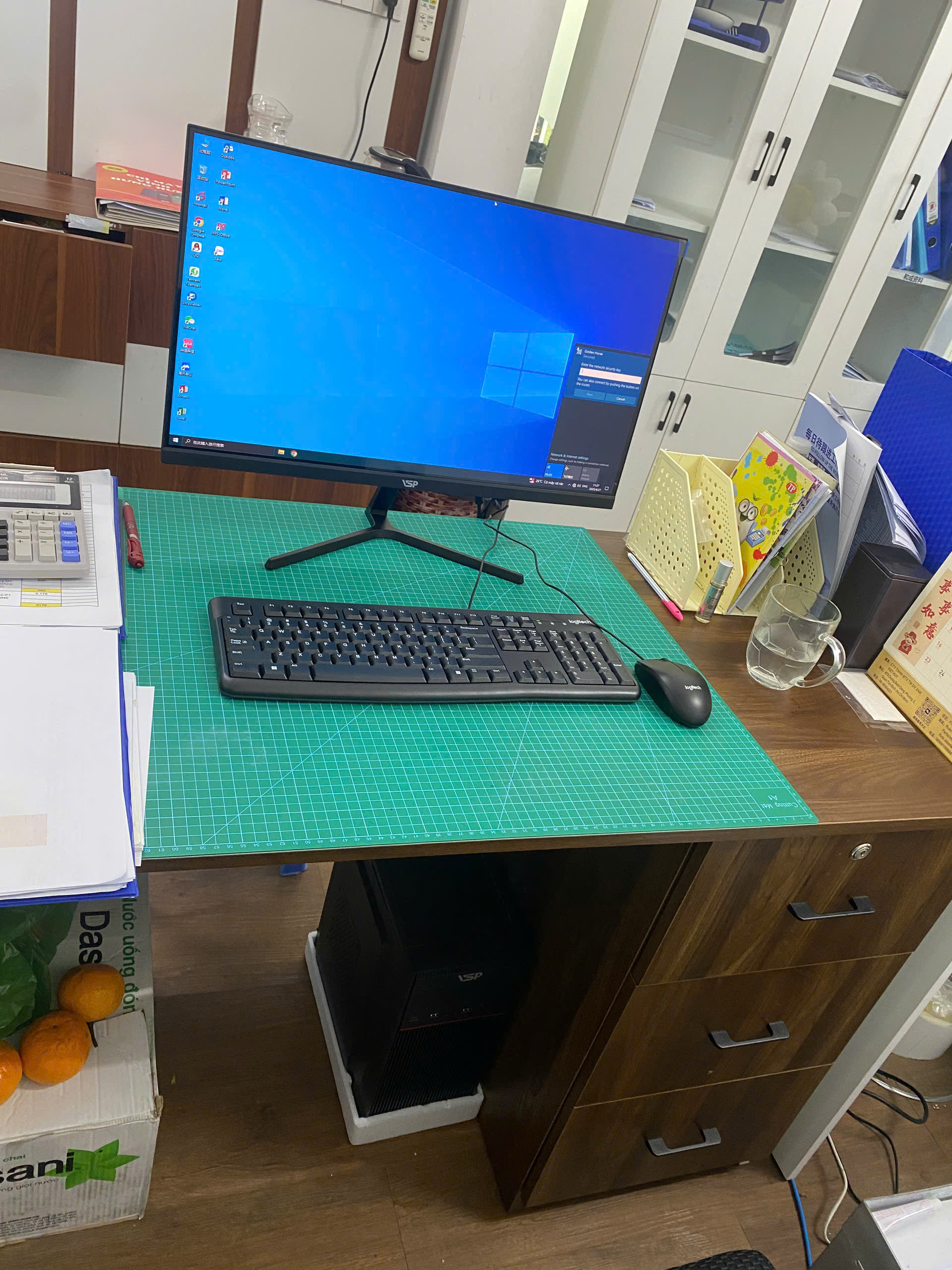

If you're looking to buy a desktop computer, the most important thing isn't to choose the machine that looks the strongest on paper. What you need to do first is to clearly determine what you use the device for: study, office, sales, accounting, gaming or long-term family use. When needs are clear, the budget will be easier to divide and you will be less likely to buy unnecessary components.
TGS wrote this article for people who need to choose the right device to study, work, entertain and upgrade later without overbuying. The content is not stuffed with keywords, only focuses on how to choose an actual device, points to ask before buying and a suggested configuration table so you can have a basis for a quick discussion with the consultant.
Buying a desktop computer should start from real needs
Many computer buyers are confused because the same price has too many names CPU, RAM, SSD, graphics cards and screens. A simpler way is to divide needs into three layers: the need for smoothing, the budget available, and the possibility of future upgrades. With this perspective, buying a desktop computer becomes a more manageable decision.
- Don't just look at the name CPU: also look at RAM, SSD, power, screen and ease of upgrade.
- Prioritize real experience: Open software quickly, run smoothly, few minor errors are more important than a beautiful parameter but misaligned needs.
- Ask about the warranty: need to know the warranty for each component, how to handle machine errors and the scope of after-sales support.
Secondary keywords should be understood before buying
Some related phrases that often appear when customers search for a computer include: buy a desktop computer, buy a cheap pc, study pc set, home computer, upgrade computer, cheap desktop computer, complete pc, computer with screen. You don't need to remember them all, but you should use them as a checklist to ask the seller the right questions, avoid just hearing the total price quote and not knowing whether each part is reasonable or not.
Suggested configuration table when buying a desktop computer
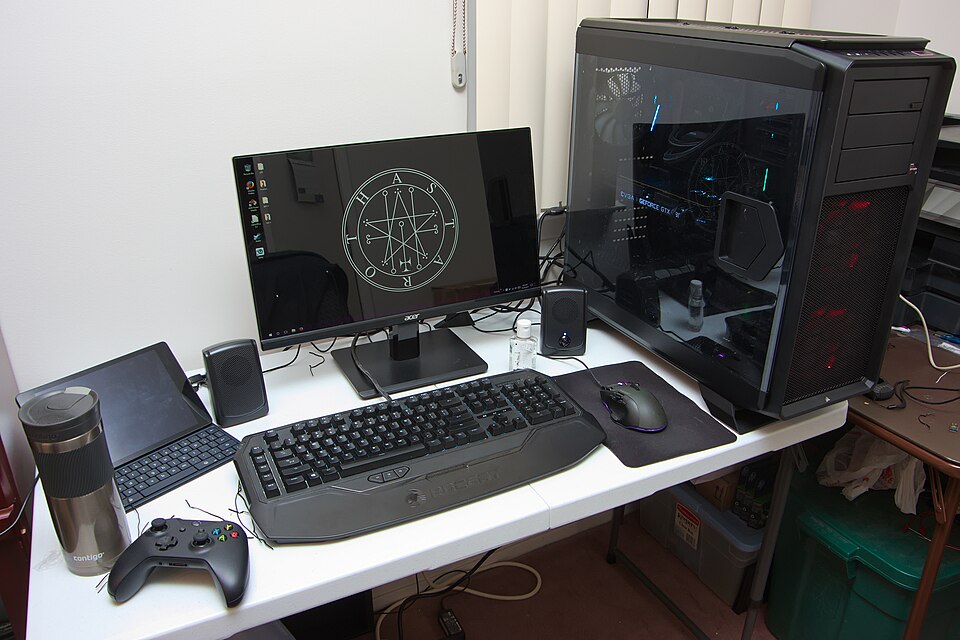
The table below is a suggested orientation. Actual price depends on available components, stock condition, included screen and installation requirements. When contacting TGS, you can send your needs and budget for a closer configuration.
| Demand | Suggested configuration | Note when buying |
|---|---|---|
| Studying, watching movies, light work | CPU old i5, RAM 8GB, SSD 256GB, 21.5 inch screen | Optimize costs, enough for basic use |
| Office, sales, light accounting | CPU i5/i7, RAM 16GB, SSD 512GB | Prioritize smoothness and stability |
| Want to use for a long time, easy to upgrade | RAM 16GB, SSD 512GB-1TB, stable power, airy case | Leave lift line RAM, SSD or GPU |
Questions you should ask the store before finalizing
- What does the device include: case, screen, keyboard, mouse, power cord, screen cord?
- New or used components, how long is the warranty for each item?
- If I later want to upgrade RAM, SSD or graphics card, will the power supply and mainboard still be suitable?
- Is there support for home delivery, basic software installation and initial user instructions?
FAQ about buying a desktop computer
Which configuration should you choose when buying a desktop computer?
You should choose according to your main job first. If you only do light study and office work, the old i5 configuration, RAM 8-16GB and SSD are easy enough to use. If playing games or doing graphics, need to add GPU, power and heatsink.
Do you need to buy a desktop computer with a screen?
If you don't have a monitor yet, buying a complete set will make it easier to control costs. However, you should ask clearly about the size, scanning frequency, connection port and screen warranty policy.
TGS Does TGS advise on budget configuration?
Yes. You just need to send your budget, commonly used software, whether you need a screen or not, and the reception area. TGS will suggest configuration according to real needs instead of pushing components too hard.
CTA: send your request to TGS for advice on suitable configuration
If you are still not sure which kit to choose, please contact TGS before finalizing. Just clearly state your budget, area, need to use the machine and whether it needs to be delivered to your door or not. TGS will advise in an easy-to-understand direction, clear configuration, clear warranty and prioritize the right things you need to do.